Tradition Adrift: The Institutionalization of Cultural Heritage Appreciation in Modern Japan
Tradition Adrift: The Institutionalization of Cultural Heritage Appreciation in Modern Japan
Speaker
Prof. Dr. Akimasa Suganuma (Kyushu Sangyo University, Fukuoka)
Date and Time
October 22, 2026, 4.15 pm - 5.45 pm
Venue
Rämistrasse 71, 8006 Zurich, Room KOL-E-21
Abstract
Why do Kyoto and Nara seem natural places to encounter “Japanese culture” today? This question concerns how cultural practices become linked to national identity within the nation-state. It asks how cultural heritage appreciation became institutionalized in modern Japan. Rather than treating heritage policy, mass media, tourism, and school excursions as independent causes, it traces their changing connections from the late nineteenth century through the postwar period.
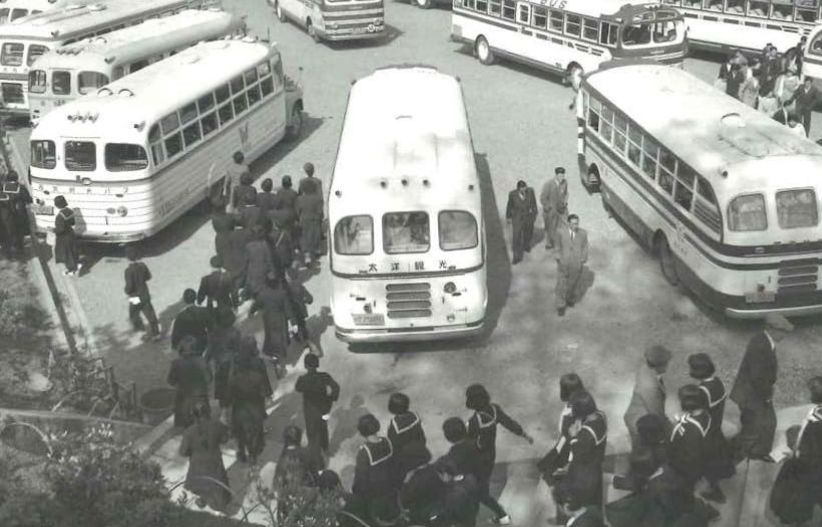
State heritage designation created an institutional foundation, while mobility and print media opened possibilities for travel and interpretation. Yet wartime mass mobility did not automatically produce mass heritage appreciation. Japan’s defeat and the Occupation severed links between school travel and pilgrimage to imperial sacred sites. Schools, families, travel agencies, railways, and media were reconnected. Through repeated postwar school excursions, both the routes to Kyoto and Nara and the ways of seeing temples, Buddhist statues, and historic sites as cultural heritage became increasingly taken for granted.
I distinguish empirical findings from sociological interpretation: cultural national identity can be reproduced through repeated everyday practices, not only through explicit ideology. This shifts attention from the “invention” of tradition to its persistence. I call tradition’s long-term persistence through changes in meaning, practice, actors, and institutional support “Tradition Adrift.”
Organization: Institute of Asian and Oriental Studies - Japanese Studies